Magazine · · 2 min read
Why our websites need no cookie banner
The law does not require a banner — it requires consent. A site that does nothing requiring consent needs neither. How that works technically, and where the line runs.
The duty is consent, not a banner
Few misunderstandings persist as stubbornly as this one: that every website must carry a cookie banner. The law demands no banner. It demands consent before information is stored on or read from a visitor's device unless strictly necessary for the service — that is § 25 of the German TDDDG, with Art. 6 GDPR making the parallel point for personal data.
It is an admission that a site does things it must ask permission for.
From this follows the conclusion that is rarely drawn: a site that stores nothing requiring consent needs no consent — and therefore no banner. A banner is not a badge of diligence. It is an admission that a site does things it must ask permission for.
What a site has to give up
More is dispensable than one might think. A third-party analytics tool sets cookies or touches device storage — so we count ourselves, on our own server, in totals rather than profiles. Embedded fonts, maps and videos from third-party servers transmit each visitor's IP address on every load — so fonts are served locally, and a still image with a link often does the work of an embedded video.
What remains on our sites: nothing. No cookie, no tracking pixel, no request to any third-party server. The network tab of any browser's developer tools shows only addresses on our own domain — every visitor can verify that in a minute.
The one permitted exception
What is strictly necessary remains allowed without consent. A shopping basket may remember its contents; a login may hold a session. Our visitor counting uses exactly this exception in exactly one place: a value in session storage prevents the same visit being counted twice. It vanishes when the tab closes and makes nobody recognisable.
The line is narrow, and rightly so. Stretch it — say, by declaring audience measurement 'strictly necessary' — and the banner returns through the back door, minus the honesty.
What it costs — and what it earns
The price is discipline: no convenient embeds, no ready-made third-party tools, building things ourselves that are given away elsewhere. The return is a site that loads faster because nothing external is fetched; that puts no click-through obstacle in front of any visitor; and whose privacy policy fits on one page because there is little to explain.
This is how we build every product in this house. Not because it is required — but because a site with nothing to hide has nothing that needs clicking away.
Next
This is how we work — and what comes of it.
What this text describes sits inside every product under this roof. Looking beats reading on.
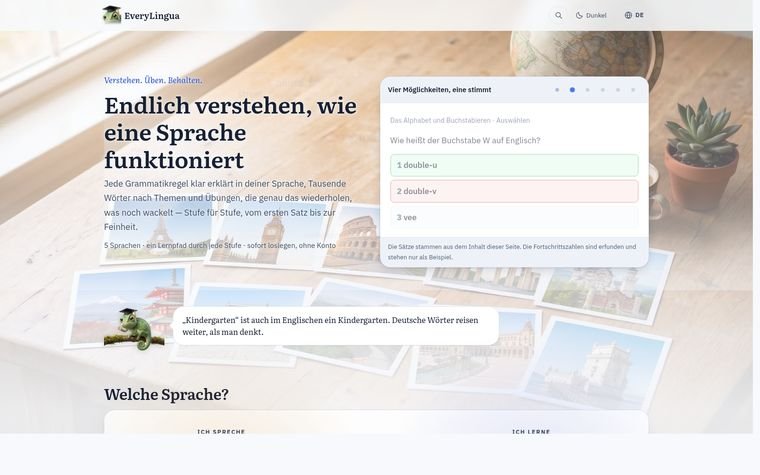
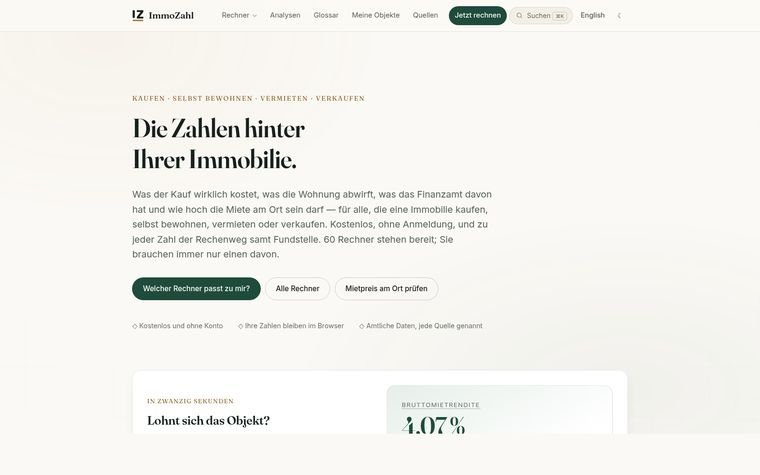
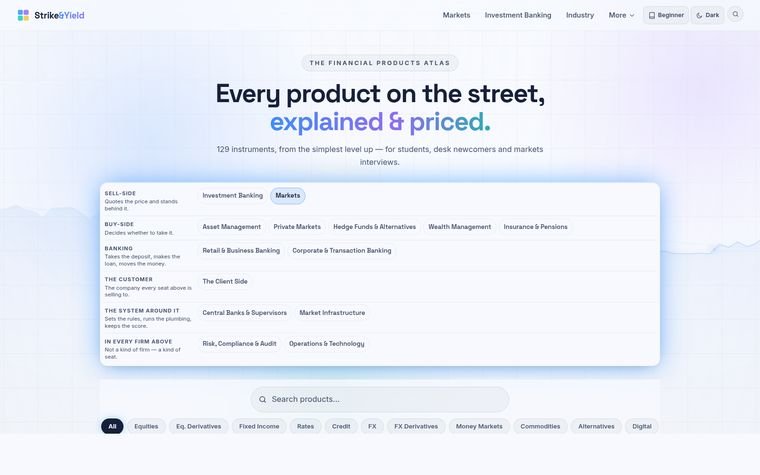
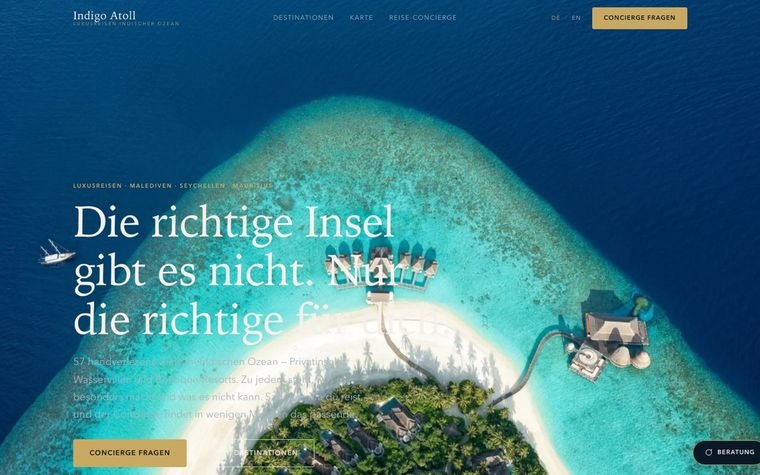
Exactly this is inside:


More articles
Citizenship test in Germany: how many questions, how many right?
33 questions, 60 minutes, a pass from 17 correct answers. What sits behind these three numbers, where the questions come from — and why the whole test can be learned in advance.
Read the articleGerman recreational boat licence (sea): questions and pass marks
30 of 285 questions, 60 minutes, two parts scored separately. Why the spread of your mistakes matters more than their number — and what comes on top of the theory exam.
Read the articleThe English simple present, explained for German speakers
The basic present tense in English has exactly one trap: the third person singular. When the simple present is used, how questions and negatives are built — and why the -s feels so illogical.
Read the article